
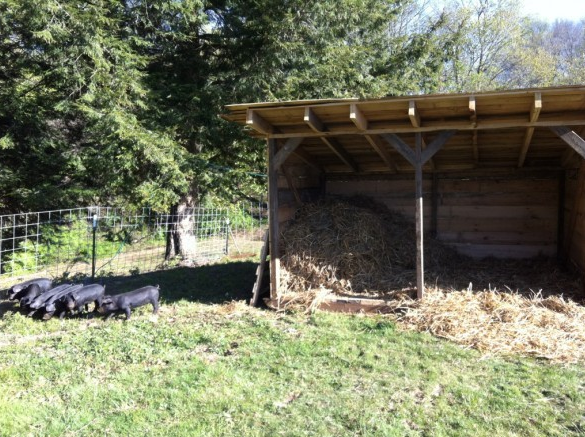
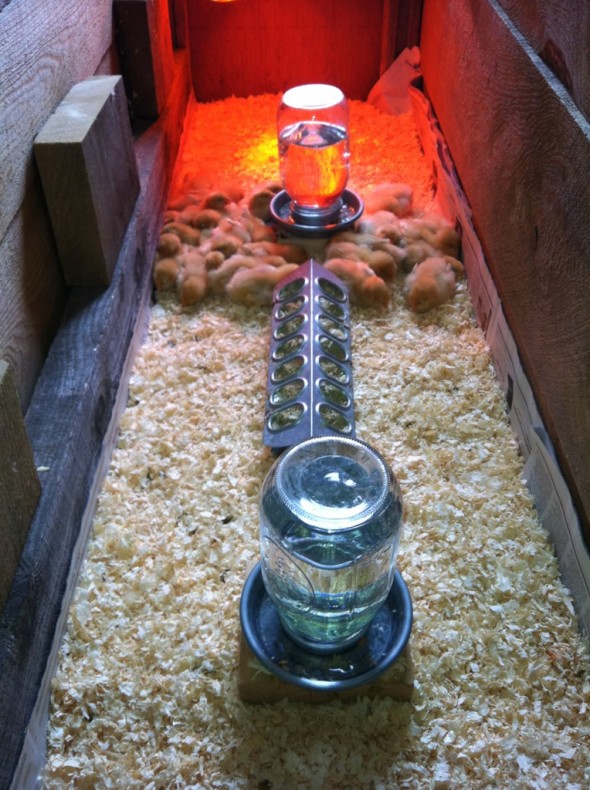
 We’ve returned to the farm up north where things are in full pre-season swing. Going from first light clean through till near dark. We now have happy piglets, spring chicks and bees!
Blog
Postcard from the Farm
Frieze Debut in NYC
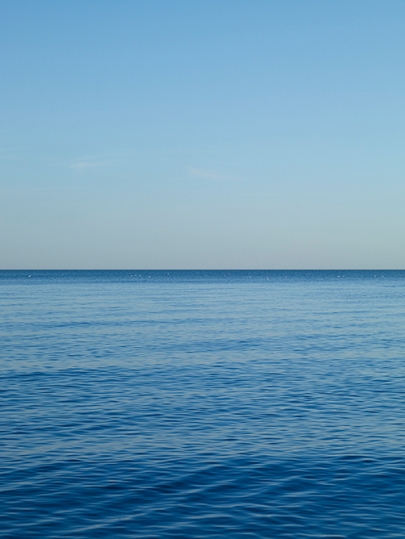
Catherine Opie shown by Regen Projects
Frieze New York brings the famed British contemporary art fair to US soil for the first time starting tomorrow. It will take place on Randall’s Island from May 4-7 and will feature approximately 170 international galleries. More details and tickets here.
Polly Apfelbaum, Flatterland Funkytown
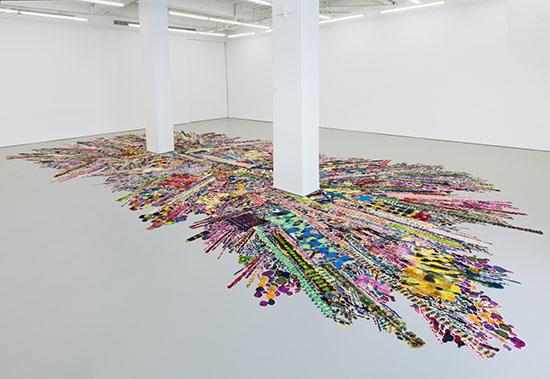
Polly Apfelbaum, Flatterland Funkytown, 2012
I’m either trying to get to abstraction or beginning with it. There has always been a tension between those elements in my work. In the past few years, I have changed the way I work in my studio. I spend more time thinking about how to make the work and how to play with elements of chance.
 Emeco
EmecoSheila Hicks, Demenageur

Sheila Hicks, Demenageur, 2008 Silk 9.125 x 8.125 inches 23.2 x 20.6 cm
MS. LÉVI-STRAUSS: You do a lot with your hands.
MS. HICKS: I’m working every day. Even if I don’t feel like working, I know that some people are coming to work today. I’ll go into the studio – I used to live right in the studio and just do whatever comes to mind. Just begin by doing, every day.
Sheila Hicks’s work is on view at Sikkema Jenkins Co. until May 25.
Dreaming
 Man’s moral conscience is the curse he had to accept from the gods in order to gain from them the right to dream.—William Faulkner in The Paris Review, Spring 1956
Mark Grotjan—Untitled (Blue Painting Light to Dark VI) 2006
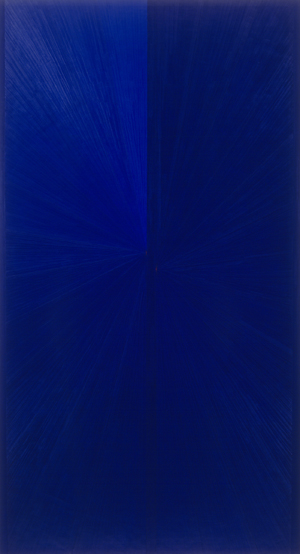
Q: One of the things I heard over and over again in your catalogue Q&A with Gary Garrels was how important being in front of actual art objects is for you, that being in the museum and around art is a real motivator for you.
Mark Grotjahn: Yeah. It’s like the difference between seeing people having sex and having it yourself. You can get an idea but it’s not the thing itself. With the image, No. 1: it’s the scale that you don’t have. Then you don’t get the detail or see how the paint was put down or see what the color actually looks like. So at a museum you actually get to see the thing, that is you get to experience it the way it was meant to be experienced. I mean, it’s great to see TV shows about nature, but it’s better to see a tiger in the wild.
—from Oranges & Sardines Q&A: Mark Grotjahn at Blouin Art Info
We Are All Radioactive
We Are All Radioactive, a documentary series, tells the story of one seaside community’s efforts to rebuild in the wake of the 2011 disaster. Motoyoshi, a small town and surf spot about 100 miles from Fukushima, was devastated by the earthquake and tsunami, and now it’s unclear how damaging the effects of the Fukushima meltdown could be. We Are All Radioactive is a collaboration between Lisa Katayama, a journalist for Wired, Fast Company, and The New York Times, and Jason Wishnow, a filmmaker and director of the TEDTalks series, with the support of locals, who are contributing their own footage, and viewers, who are crowd funding the film.
–Via the Atlantic. Keep reading. Website for the project here.


